
If you were sitting across the table from me in my Georgia office, I’d probably start this conversation with a knowing smile and say, “Campers cause more paperwork confusion than almost anything else on wheels.” I’m Dale Preiser, a Georgia attorney, and over the years I’ve handled countless Camper Bill of Sale Georgia situations—private sales gone sideways, title transfers that stalled at the tag office, and buyers who honestly thought a handshake was enough.
A Camper Bill of Sale in Georgia isn’t just a receipt. It’s the legal record that proves ownership, sale terms, and responsibility when a camper changes hands. In my experience, when this document is missing or poorly written, that’s when people end up back in my office—confused, frustrated, and wishing they’d done it right the first time. And in Georgia, it can get complicated fast if you don’t handle it correctly.
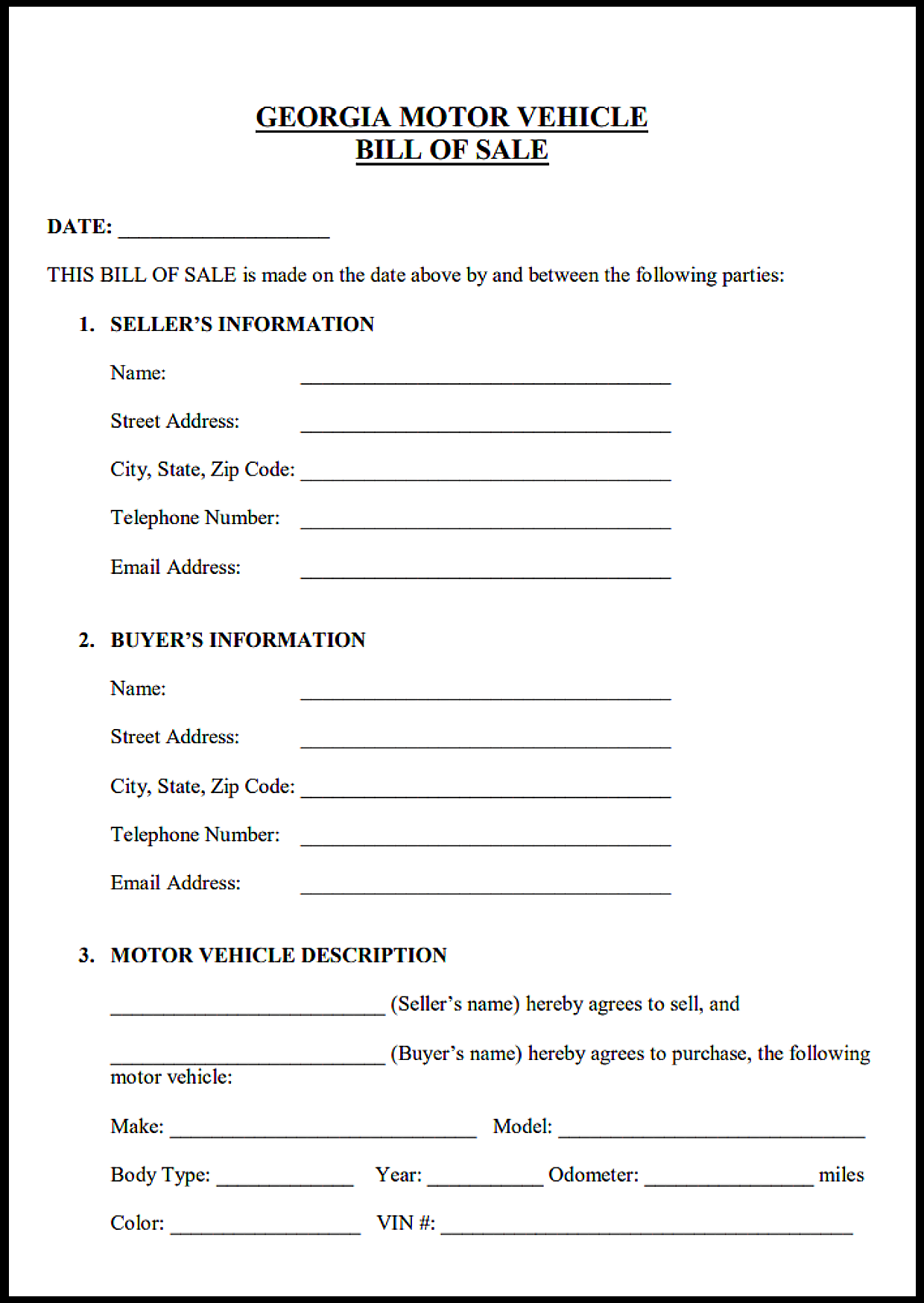
Free Printable Camper Bill of Sale Georgia Template
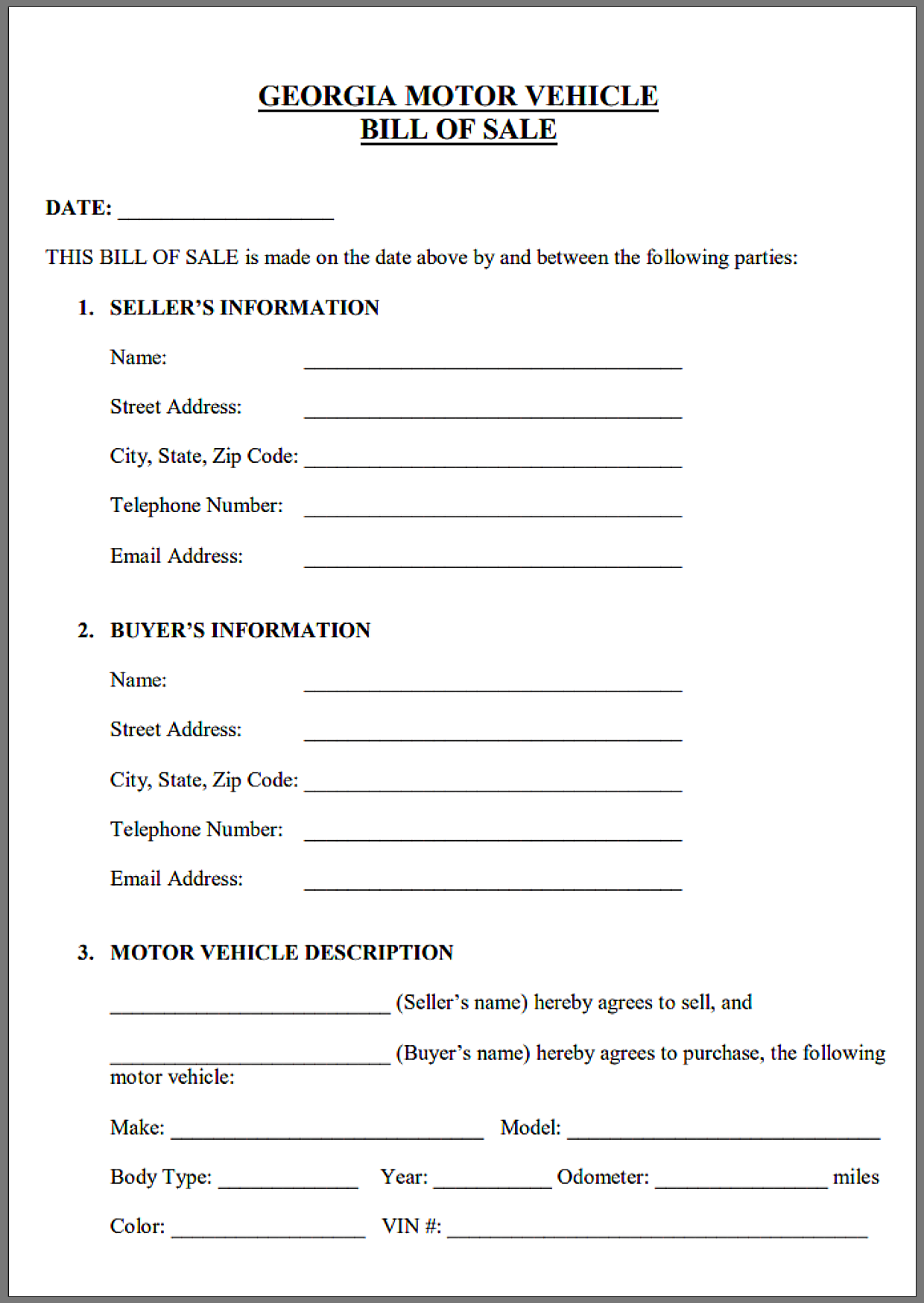
When clients ask me for a camper bill of sale template, it’s usually because they don’t want to guess what Georgia will accept. And honestly, that’s the smart move. I’ve seen too many handwritten or copied documents rejected simply because they were missing basic details that Georgia tag offices expect to see. A clean, properly structured template removes that uncertainty.
A free printable camper bill of sale Georgia template gives you a clear format to document the sale, ownership transfer, and payment terms in a way that actually works in real life. It helps buyers avoid registration delays and protects sellers from future liability claims. To keep things simple, I’ve made sure this template is available so you don’t have to start from scratch. You can also download this template in PDF and Word format, so you can print it or fill it out digitally as needed.
Camper Bill of Sale Georgia
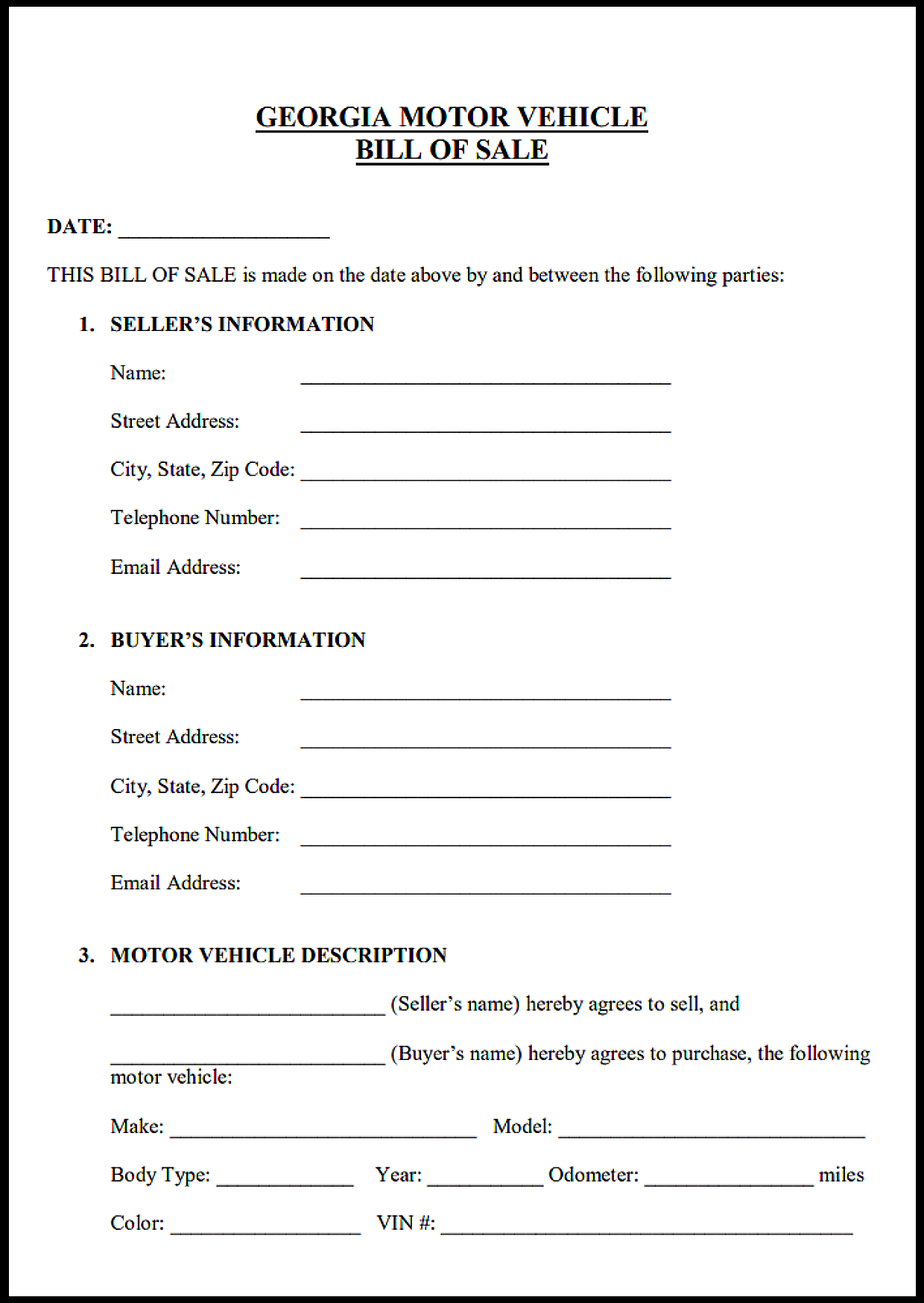
When I talk about a Camper Bill of Sale Georgia, I’m not talking about paperwork for paperwork’s sake. I’m talking about a legal record that proves exactly what changed hands and when. In my years handling Georgia vehicle and camper transfers, this single document has often been the difference between a smooth DMV visit and a long, frustrating back-and-forth with the tag office.
A properly written camper bill of sale protects both buyer and seller by clearly listing ownership details, camper information, and the agreed purchase price. It becomes especially important when a title is delayed, lost, or questioned later. That’s why I always recommend having one in place, even if the sale feels informal. For convenience, I’ve provided this document so you can handle the process correctly. You can also download it in PDF and Word format, making it easy to use and store for your records.
Why a Camper Bill of Sale Matters More Than People Think
In my experience, most problems don’t show up on sale day. They show up weeks later—at the tag office, during a title transfer, or when someone tries to insure or resell the camper. I’ve seen buyers walk into a county tag office confident… and walk out completely confused because their paperwork didn’t match Georgia’s expectations.
A camper bill of sale is your proof of what actually happened. Who sold it, who bought it, when money changed hands, and exactly what was sold. When there’s no clear paper trail, that’s when disputes start—and I’ve resolved more than a few that could’ve been avoided with one properly written document.
Do Campers Need a Title in Georgia?
This is where people trip up.
In Georgia, some campers require a title and some don’t, depending on weight and classification. Larger campers and travel trailers usually require a title. Smaller utility-style campers may not—but that doesn’t mean you can skip the bill of sale.
Personally, I always recommend using a bill of sale even when a title isn’t required. I’ve seen cases where the DMV didn’t ask for it… until they suddenly did. At that point, recreating a sale from memory rarely ends well.
Make Sure You Know Whether You Bought a Camper or Something Else Under Georgia Law
One mistake I see buyers make is assuming every RV-style unit follows the same paperwork rules. In Georgia, the first question is not always “Do I have a bill of sale?” The first question is “What exactly did you buy?”
A travel trailer, fifth-wheel camper, motorized RV, and manufactured home-style unit can involve different documentation requirements. I have seen buyers purchase something advertised as a “camper” only to discover later that the seller and buyer were not using the same legal classification.
For example, a towable travel trailer is generally handled through Georgia’s motor vehicle title system if it falls within the titled vehicle categories under O.C.G.A. Title 40, Chapter 3. A bill of sale helps document the transaction, but it does not replace a required certificate of title. If the unit is classified differently, the buyer may need a different ownership process.
Before signing a camper bill of sale, I recommend checking the manufacturer information, VIN or serial number, and any existing title paperwork. Do not rely only on the seller’s description of the unit.
I have watched buyers spend thousands on a camper they thought they could register immediately, only to discover the paperwork did not match the actual classification. A few minutes verifying the unit type before purchase can prevent a major ownership problem later.
What I Always Include on a Georgia Camper Bill of Sale
When I draft or review a camper bill of sale, I insist on clarity. Not legal fluff—just clean, specific facts:
Full legal names and addresses of buyer and seller
Sale date (actual date, not “close enough”)
Purchase price (be honest—Georgia tax offices notice inconsistencies)
Detailed camper description (make, model, year, VIN if available)
Odometer-style disclosure if applicable
Signatures from both parties
I’ve seen handwritten bills of sale work just fine—as long as they’re clear. Fancy formatting doesn’t save sloppy details.
Common Mistakes I See (Over and Over)
Let me be blunt—these mistakes cause real headaches:
Using a generic “vehicle” bill of sale without camper details
Leaving out the VIN because “it’s on the camper somewhere”
Listing a fake price to lower taxes (this always backfires)
Forgetting to sign the document
Assuming the title alone is enough
One buyer I worked with paid in full, took the camper home, and only later realized the seller’s name didn’t match the title. No bill of sale. No leverage. That turned into months of stress that could’ve been avoided.
Do You Need It Notarized?
Georgia doesn’t always require notarization for a camper bill of sale—but I strongly prefer it when possible. Why? Because when something goes wrong, notarization shuts down arguments fast. I’ve watched disputes evaporate the moment a notarized document hits the table.
If you’re already meeting in person, spending five extra minutes at a notary is worth it.
Disclaimer
I’ll say this the same way I tell my clients: this is practical guidance based on years of Georgia legal work—not a substitute for personalized legal advice. Every situation has its quirks. When money, titles, or family transfers are involved, small details matter more than people expect.
Final Thought From My Desk
What I’ve learned over the years is simple—a clean camper bill of sale protects everyone. It keeps the DMV happy, prevents future disputes, and gives you peace of mind long after the camper leaves your driveway.
If you’re unsure, ask questions before the sale, not after. And if you’ve got a Georgia camper situation that feels messy or unclear, you’re not alone—I’ve seen it all.
Feel free to leave a comment, ask a question, or reach out if you want help getting it done right the first time.
FAQ
Do I legally need a Camper Bill of Sale in Georgia?
Georgia law doesn’t always spell it out in bold letters, but in real life, I’ve seen a Camper Bill of Sale become essential at the county tag office, with insurance companies, and during title disputes. Even when a camper doesn’t technically require a title, the bill of sale is often the only written proof of ownership. In my experience, skipping it is one of the biggest mistakes people make in private camper sales.
Does a camper need a title in Georgia, or is a bill of sale enough?
It depends on the camper. Larger campers and travel trailers usually do require a Georgia title, while smaller or lighter units may not. That said, I never recommend relying on memory or assumptions. I’ve watched buyers show up at the DMV thinking a bill of sale was “enough,” only to be sent home because the camper actually required a title. The safest approach is always to have both when applicable—and a properly written Camper Bill of Sale Georgia to back it up.
What information must be included on a Georgia Camper Bill of Sale?
From years of fixing paperwork problems, I can tell you what matters most. The bill of sale should clearly list the buyer and seller’s full names, the sale date, purchase price, and a detailed description of the camper—including the VIN if one exists. I strongly prefer including addresses and signatures from both parties. When details are missing, that’s when disputes start—and those disputes tend to get expensive.
Should a Camper Bill of Sale in Georgia be notarized?
Georgia doesn’t always require notarization, but I strongly recommend it. I’ve handled more than one case where a notarized bill of sale ended an argument before it even began. It adds credibility, protects both parties, and makes DMV interactions smoother. If you’re already meeting face-to-face to exchange the camper, taking a few extra minutes to notarize the document is a smart move.